If you have ever stood in your yard and thought, “How big should my pond be so it looks just right aesthetically?”, you are in the right place for answers. The ideal size of the backyard pond will be a matter of whether the pond fulfills your expectations and your day-to-day planned life.
Let’s dive in to get you the answers you need!
Decide Your Goal For Ponds First
A zen, reflective pond is sized differently from one built for fish, or waterfalls.
Want koi or goldfish? A sufficient amount of water will be required to maintain a constant temperature and enhance water quality. Want a small water garden with plants and a gentle bubbler? You may keep the footprint smaller, but you still need depth in the right places.
The first question we ask our clients when they approach us is: What do you want to see, and how much maintenance are you willing to do? Bigger ponds can be more stable, but they also come with more maintenance, such as systems to clean, balance, and winterization for some.
The Practical Backyard Pond Size Starting Point
For many backyards, a pond around 8 by 11 feet or 10 by 12 feet is a sweet spot. It is large enough to look intentional yet small enough to fit into normal yard layouts, and manageable for routine care. If your space is tight, a 6-by-8-foot water feature can still feel impressive when framed with boulders, plantings, and a natural edge.
Depth Matters More Than You Know
A common mistake is building your pond too shallow. Since water in shallow areas warm and freeze quicker, depth affects maintenance, fish life, plant health and algae control.
Aim for a minimum depth of about 18 inches for a basic water garden. If you plan to keep fish, many ponds do better with a deeper zone around 24 to 36 inches. In westchester county climate, that deeper pocket helps buffer temperature swings and gives fish a safer refuge.
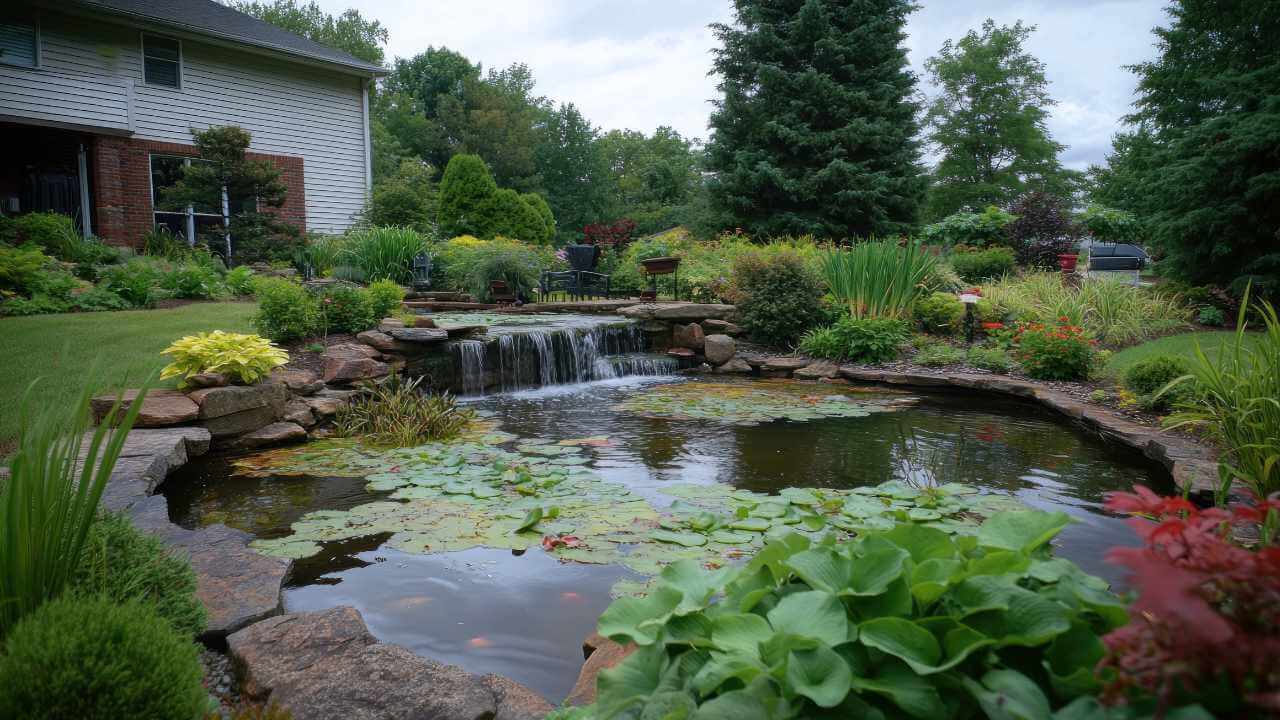
A well-built pond uses shelves for marginal plants, a deeper center, and a gentle transition between levels. The shelves allow you to put plants at the correct level of depth, favoring transparent water and a more natural appearance.
Drainage and Organic Lawn Care Plans
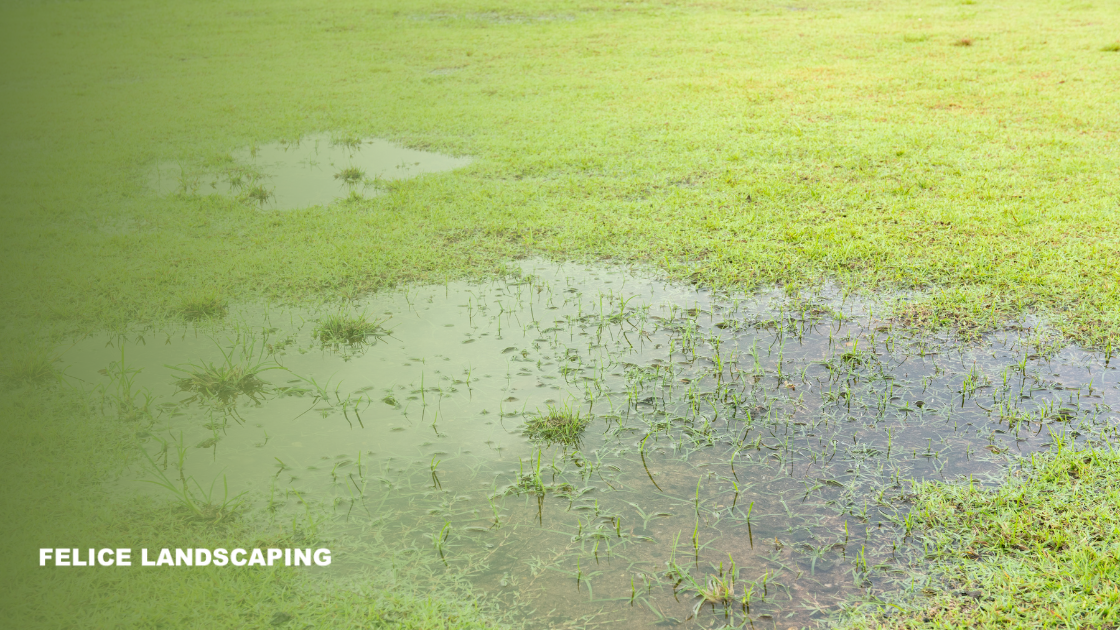
Westchester county yards are usually a bit hilly, have dense soil, and run-offs that are sometimes difficult. If you place a pond in the lowest spot without planning, you may end up funneling fertilizer, sediment, and stormwater straight into it.
This is where organic lawn care comes into play. Healthier soil structure, fewer harsh inputs, and smarter watering practices will reduce the junk that washes into your pond after a storm.
Natural Pond Placement
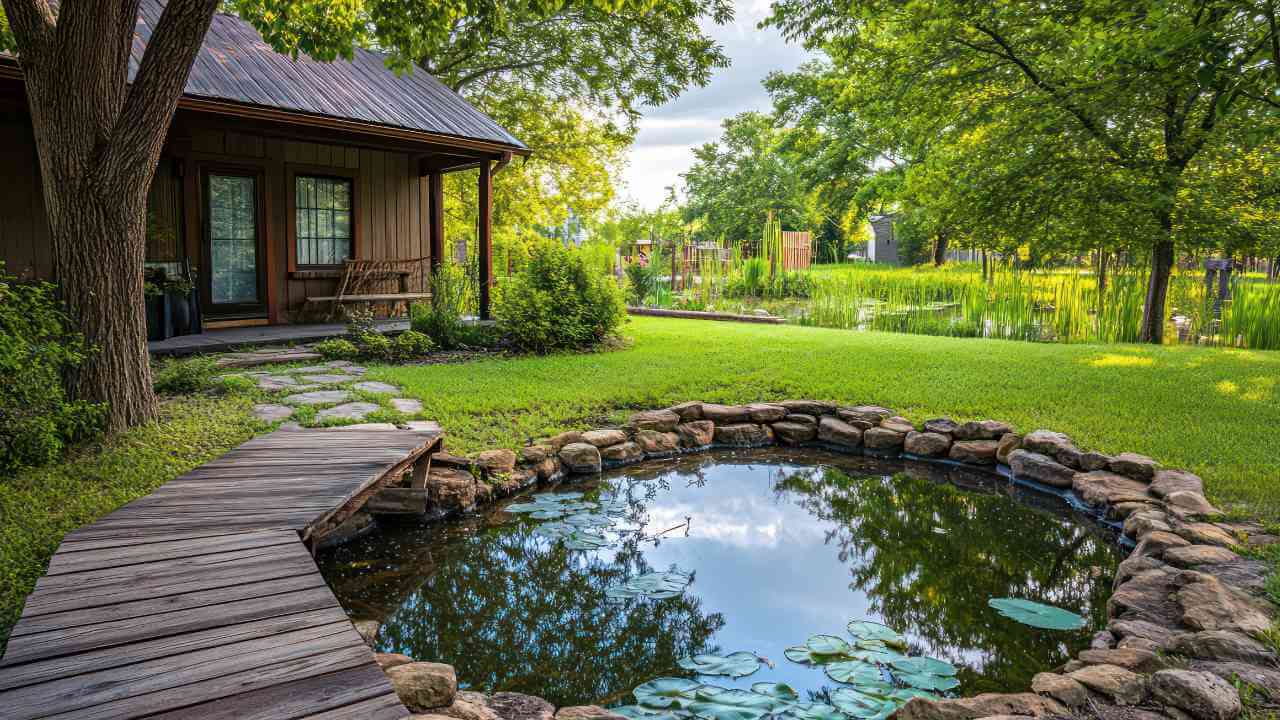
Most of the visual magic occurs at the edge. A slightly larger pond, with a broad natural edge, invariably looks better than a small pond with a narrow edge of stone. We prefer larger rock formations with sparse vegetation and a few irregular ones to create the impression that the pond has always been there.
Specifications Affecting the Pond Size
In Westchester residential landscaping projects, space is often shared with patios, play areas, garden beds, and lawn. The pond must not dominate the yard, but it must not be an afterthought. If you can spare about 10 to 15 percent of your usable backyard area to the pond zone, including plantings, you usually land in a cordial balance.
A Quick Rule to Keep You From Going Too Small
When you are undecided between two sizes, invest in good depth zones and go a notch larger in footprint. A properly sized pond reads as a destination, not a decoration. The right-sized garden pond will also allow you greater flexibility in the planting, filtration, and that natural shoreline look that makes people stop and stare.
If you want help dialing in the best backyard pond size for your Westchester, NY property, a pro can map out placement, drainage, and plant framing for your pond project to become a success.